
Desktop SEO Crawlers vs Cloud SEO Tools
Search engine optimisation tools have changed significantly over the past decade. Many modern SEO platforms now operate entirely in the cloud, offering dashboards that combine keyword research, backlink analysis, and technical auditing in one place.
While cloud platforms are powerful, they have also introduced a pricing model that many users only fully understand after using them: credit-based analysis.
At the same time, desktop SEO crawlers continue to exist alongside these platforms, offering a very different approach to website analysis. Rather than consuming credits or relying on remote servers, desktop tools perform crawling locally using the user’s own computer.
Understanding the difference between these two models helps explain why many developers and technical SEO users still rely heavily on desktop crawlers today.
How cloud-based SEO tools work
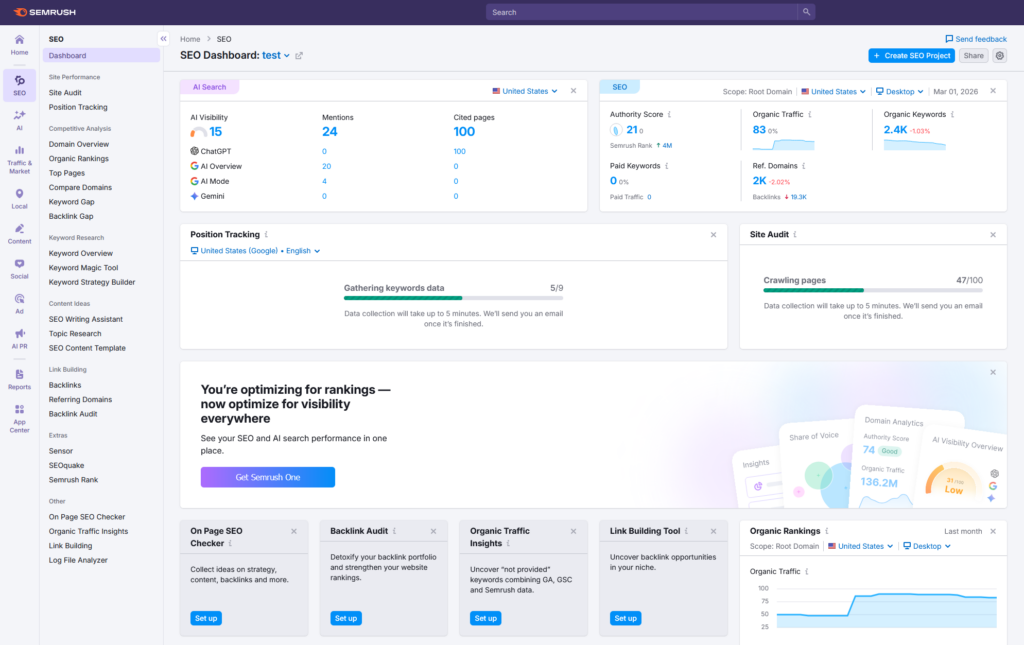
Cloud SEO platforms run analysis on their own infrastructure. When a user launches a site audit or crawl, the work is performed on remote servers rather than on the local machine.
This approach allows platforms to combine large datasets, historical tracking, and automated monitoring features. Users can access reports from anywhere without installing software, which makes cloud tools convenient for ongoing campaigns and team collaboration.
However, because every crawl consumes server resources, most platforms limit usage through credit systems, crawl quotas, or monthly allowances.
Each audit, scan, or analysis request uses part of an allocated resource pool. Once limits are reached, users must wait for renewal periods or upgrade plans.
The impact of credit-based workflows
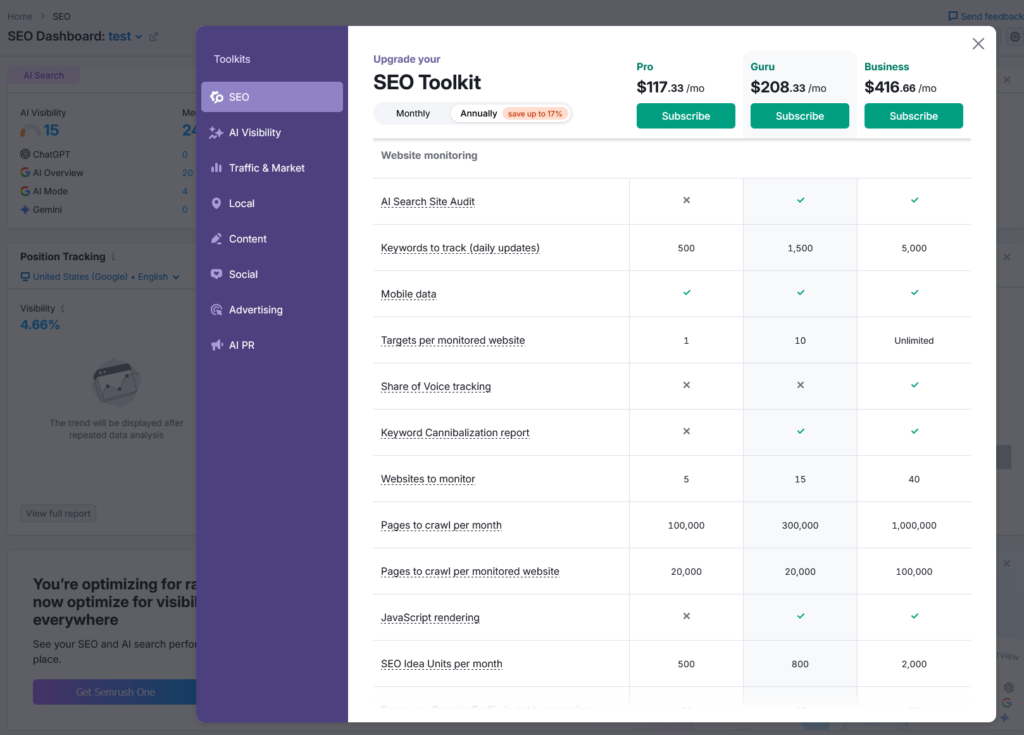
Credit systems are not inherently negative — they simply reflect the cost of running large-scale infrastructure. However, they change how users interact with SEO tools.
Instead of experimenting freely, users often begin planning analyses carefully to avoid consuming credits unnecessarily. Running multiple test crawls, experimenting with configurations, or rechecking fixes can feel costly when each action reduces remaining allowances.
For technical SEO work, where repeated testing is common, this can subtly discourage exploration.
Many users notice they run fewer audits than they otherwise would, simply because usage feels limited.
How desktop SEO crawlers differ
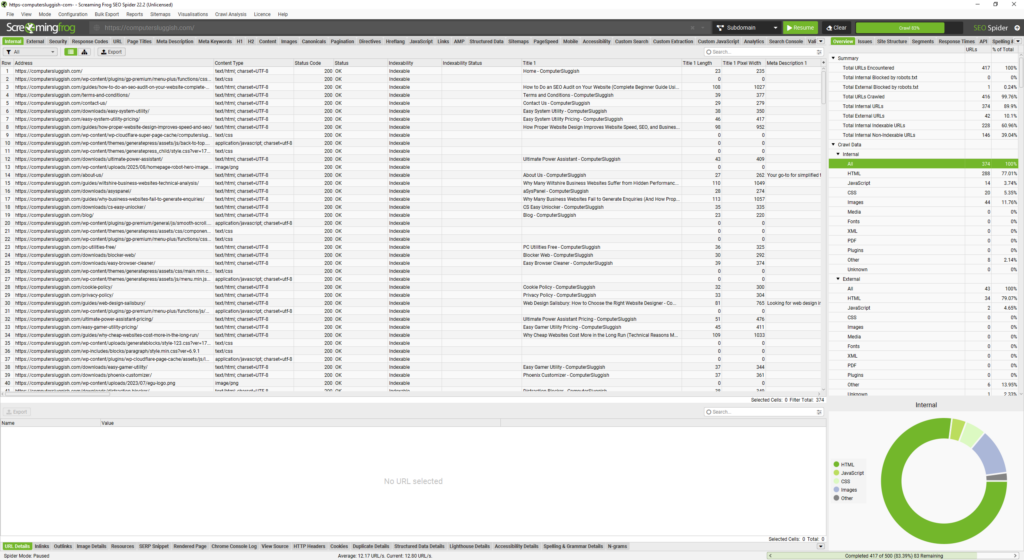
Desktop crawlers operate on a completely different model. Instead of sending requests through external servers, the software runs directly on the user’s computer.
The crawler uses local processing power and internet bandwidth to analyse websites, meaning there is no ongoing infrastructure cost tied to each crawl.
As a result, users can run scans as often as needed without thinking about usage quotas. Testing changes, experimenting with crawl settings, and rechecking fixes becomes part of a normal workflow rather than a calculated decision.
For developers, agencies performing technical diagnostics, or website owners learning SEO, this freedom often makes desktop crawlers feel more practical for day-to-day analysis.
Why many professionals use both approaches
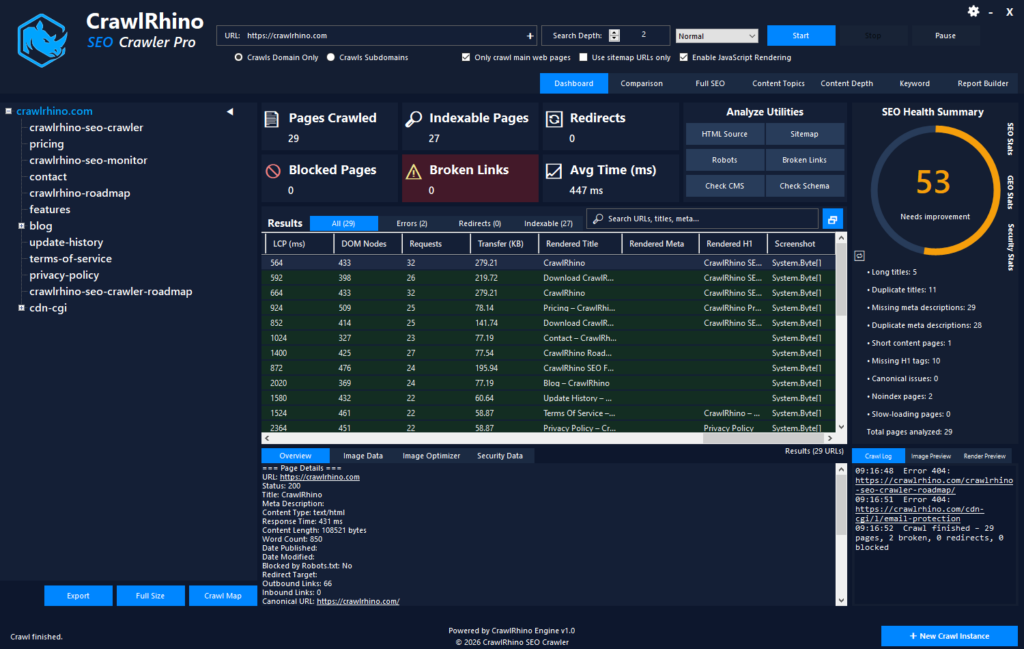
Cloud platforms and desktop crawlers are not competitors as much as complementary tools.
Cloud SEO platforms excel at long-term monitoring, large datasets, and integrated marketing analysis. Desktop crawlers excel at direct technical inspection and rapid experimentation.
A common workflow involves discovering technical issues using a desktop crawler and then monitoring long-term performance through a cloud platform.
Understanding the strengths of each approach allows users to choose tools based on workflow rather than marketing claims.
Choosing the right approach for your workflow
The best SEO tool depends less on feature lists and more on how analysis fits into daily work.
Users who need continuous reporting and shared dashboards may prefer cloud platforms. Those performing hands-on technical audits often benefit from desktop crawlers that allow unrestricted testing.
Neither approach replaces the other entirely, but recognising how credit systems influence behaviour helps explain why desktop crawling software remains widely used despite the growth of cloud SEO platforms.
Final thoughts
Cloud SEO tools have introduced powerful capabilities and made large-scale analysis more accessible than ever. At the same time, credit-based systems naturally place limits on how frequently analysis can be performed.
Desktop SEO crawlers offer an alternative workflow built around local processing and unrestricted experimentation. For many users, especially those focused on technical optimisation, the ability to analyse websites freely encourages deeper understanding and more consistent auditing.
Ultimately, effective SEO often comes from combining tools rather than choosing sides — using cloud platforms for ongoing insight and desktop crawlers for direct technical discovery.