
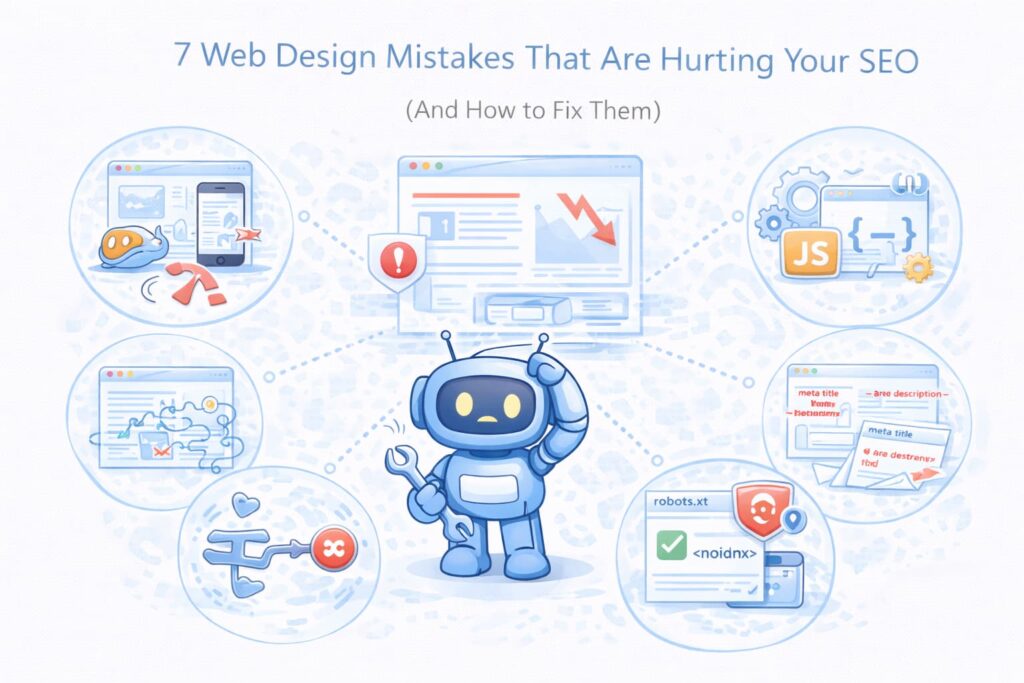
7 Web Design Mistakes That Are Hurting Your SEO (And How to Fix Them)
Your website design plays a huge role in your SEO performance. Many website owners focus on content and backlinks, but poor web design can stop search engines from crawling, indexing, and ranking your website properly. Even small web design mistakes can reduce your visibility in Google and cost you traffic, leads, and customers.
Professional SEO agencies, SEO consultants, and website SEO optimization services often fix web design problems before doing anything else, because technical and structural issues can completely block rankings. The good news is most of these mistakes are fixable once you know what to look for.
Below are the most common web design mistakes that hurt SEO and how you can fix them properly.
1. Slow Website Speed and Poor Performance
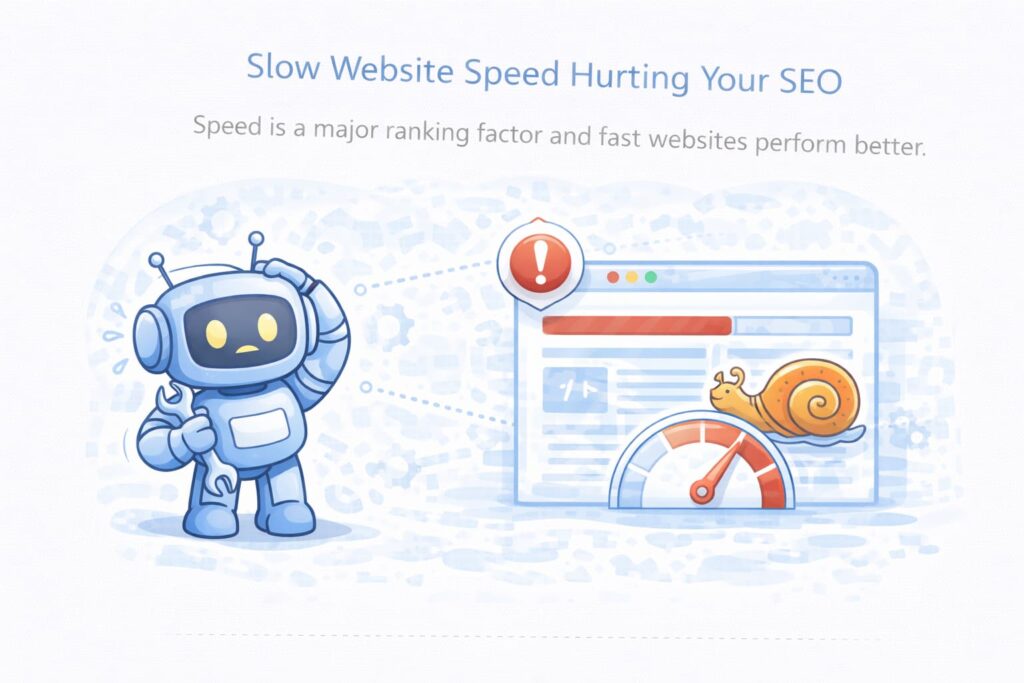
One of the biggest web design mistakes is having a slow website. Website speed is a major ranking factor, and slow websites can reduce crawl efficiency and user experience. If your pages take too long to load, search engines may crawl fewer pages, and users may leave before your content even loads.
Slow websites are often caused by large images, poor hosting, unoptimised scripts, and heavy page builders. Many website owners don’t realise their website is slow because it loads normally for them, but slower for others.
SEO services and technical SEO services often include speed optimisation because faster websites rank better and convert better.
How to fix it:
- Optimise images and reduce file sizes
- Use fast, reliable hosting
- Remove unnecessary scripts and plugins
- Enable caching
SEO crawler tools like CrawlRhino SEO Crawler can help identify slow-loading pages and technical issues affecting performance. This makes it easier to fix problems before they start affecting rankings.
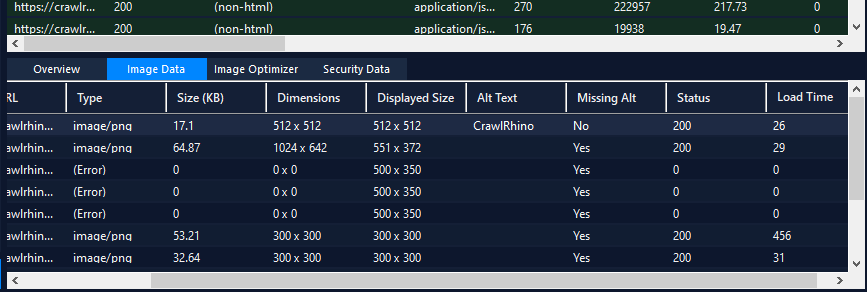
You can download CrawlRhino SEO Crawler here:
https://crawlrhino.com/crawlrhino-seo-crawler/
2. Poor Mobile-Friendly Design
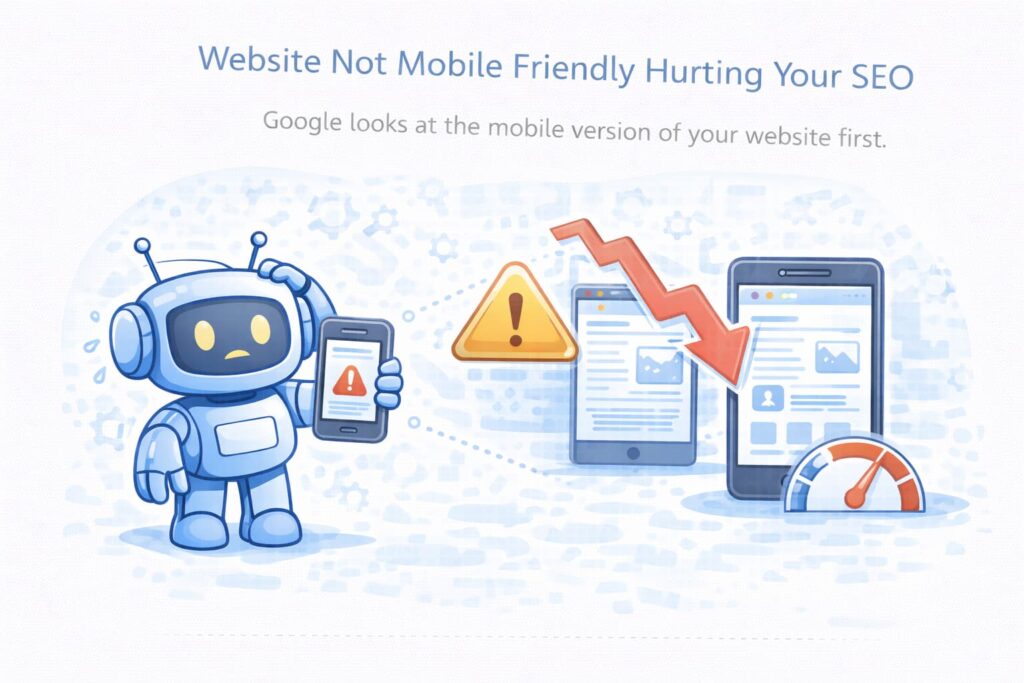
Google uses mobile-first indexing, which means it mainly looks at the mobile version of your website. If your website is not mobile-friendly, it can hurt your rankings significantly.
Many older websites were designed for desktop only, and this causes problems on mobile devices. Text may be too small, buttons too close together, or layouts may break completely.
Professional SEO agencies and website SEO optimization experts always ensure websites are mobile-friendly because mobile usability directly affects SEO.
How to fix it:
- Use responsive web design
- Test your website on different devices
- Ensure buttons and text are easy to use
Mobile usability is essential for both SEO and user experience.
3. Poor Website Structure and Navigation
Website structure helps search engines understand how your pages are connected. If your website structure is confusing, search engines may struggle to crawl and index your content.
Poor navigation can also prevent users from finding important pages. This reduces engagement and rankings.
SEO consultants and backlink building experts often improve internal linking and navigation to make websites easier to crawl.
How to fix it:
- Use clear menus and navigation
- Link to important pages internally
- Avoid burying pages too deep
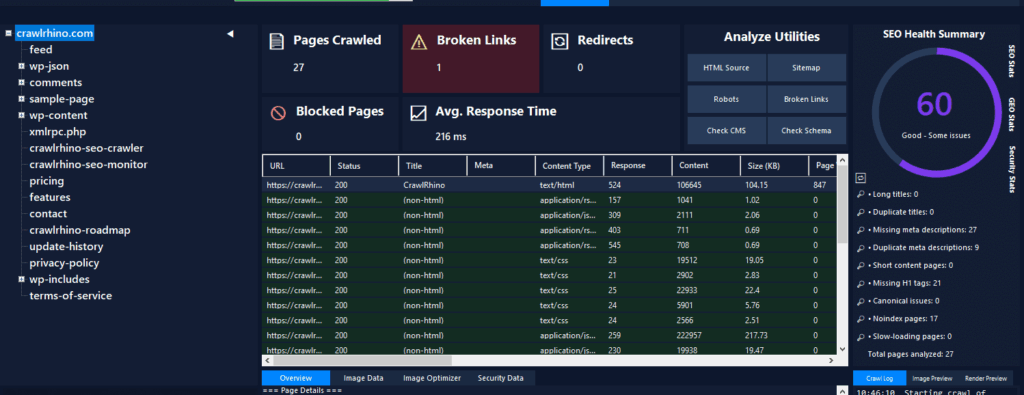
SEO crawler tools like CrawlRhino SEO Crawler can scan your website and identify crawlability issues, orphan pages, and structural problems that affect indexing.
You can download CrawlRhino SEO Crawler here:
https://crawlrhino.com/crawlrhino-seo-crawler/
4. Broken Links and Crawl Errors
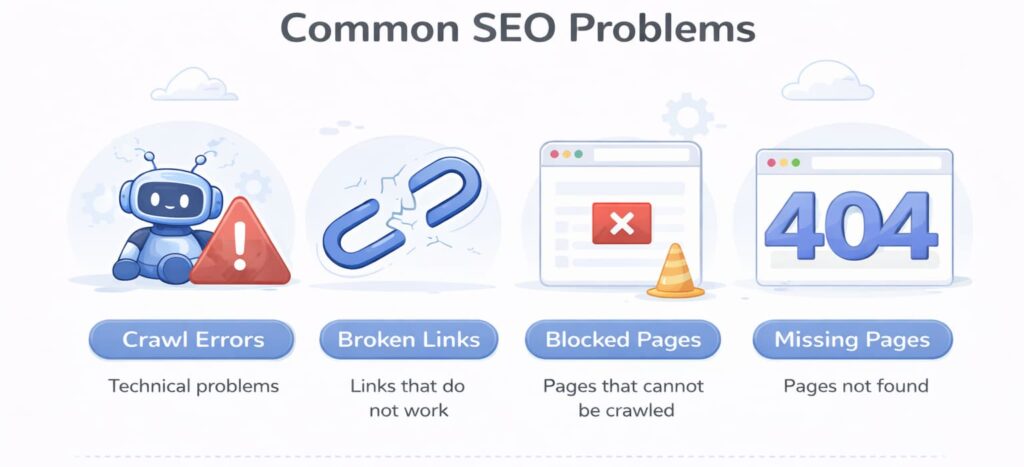
Broken links are links that lead to pages that do not exist. These create crawl errors and waste crawl budget. When search engines encounter broken links, they may stop crawling other important pages.
Broken links also create a poor user experience and reduce trust.
Many SEO audit services and technical SEO services focus heavily on fixing broken links.
How to fix it:
- Scan your website for broken links
- Update or remove broken links
- Redirect old pages to new pages
Tools like CrawlRhino SEO Crawler, Screaming Frog, Ahrefs, and Semrush can help identify broken links quickly.
Fixing broken links improves crawl efficiency and SEO performance.
5. Using Too Many Heavy Scripts and Animations
Many modern websites use animations and scripts to look impressive, but too many scripts can slow down your website and make it harder for search engines to crawl.
Heavy scripts increase page load time and reduce performance.
Professional SEO agencies often simplify website design to improve performance and crawlability.
How to fix it:
- Remove unnecessary animations
- Reduce JavaScript usage
- Optimise scripts
Simple and fast websites often rank better than complex ones.
6. Missing or Incorrect SEO Tags
SEO tags such as title tags, meta descriptions, and headings help search engines understand your content. Missing or incorrect tags can prevent your pages from ranking properly.
Many website owners overlook these important elements.
SEO services and SEO consultants often optimise these tags as part of website SEO optimization.
How to fix it:
- Use proper title tags
- Add meta descriptions
- Use proper heading structure
These tags help search engines understand your content.
7. Blocking Search Engines From Crawling Important Pages
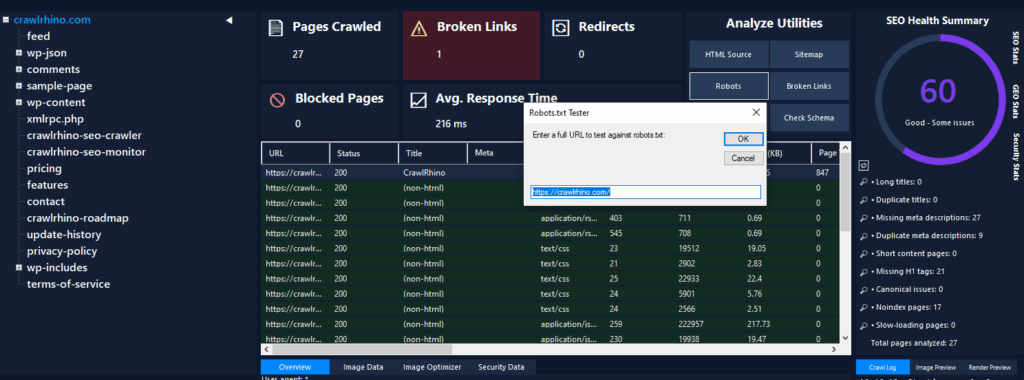
Sometimes websites accidentally block search engines from crawling important pages. This can happen through robots.txt settings, noindex tags, or incorrect configurations.
If search engines cannot crawl your pages, they cannot rank them.
This is one of the most serious SEO mistakes and happens more often then people think.
How to fix it:
- Check robots.txt file
- Remove noindex tags from important pages
- Ensure pages are accessible
You can download CrawlRhino SEO Crawler here:
https://crawlrhino.com/crawlrhino-seo-crawler/
SEO crawler tools like CrawlRhino SEO Crawler can identify blocked pages and crawl errors. This helps ensure search engines can access your website properly.
Why Good Web Design Is Important for SEO and Rankings
Good web design makes it easier for search engines to crawl, index, and understand your website. It also improves user experience, which helps increase engagement and rankings.
Many businesses invest in SEO services, backlink building, and SEO agency support, but overlook web design problems. Fixing design issues can significantly improve rankings.
Web design and SEO work together.
How SEO Crawler Tools Help Identify Web Design SEO Problems
SEO crawler tools scan your website and identify technical issues that affect SEO.
Tools such as:
- CrawlRhino SEO Crawler
- Ahrefs Site Audit
- Semrush Site Audit
- Screaming Frog
can identify crawl errors, broken links, blocked pages, and performance issues.
CrawlRhino SEO Crawler helps website owners identify technical SEO problems quickly so they can fix them and improve rankings.
Regular scanning helps keep your website healthy and optimised.
Final Thoughts
Web design mistakes can significantly hurt your SEO and prevent your website from ranking properly. Slow speed, poor structure, broken links, and crawlability problems are some of the most common issues.
Fixing these problems improves crawlability, indexing, and rankings.
SEO tools like CrawlRhino SEO Crawler, Ahrefs, Semrush, and Screaming Frog help identify technical problems and improve website SEO optimization.
Once these issues are fixed, your website will be easier to crawl, rank higher, and attract more traffic over time.