
How to Improve Your Page Ranking in Search Engines
If you run a website, one of the most common questions you will eventually ask is how to improve web page ranking in search engines. Getting a page to rank higher in Google can make a huge difference to how many visitors your website receives.
When I first started building websites, I assumed ranking well in search engines was mostly about adding the right keywords and waiting for traffic to appear. In reality, there are quite a few factors that influence how pages rank, and many of them have nothing to do with simply placing keywords in an article.
Over the years of working on different websites and SEO projects, I’ve learned that improving web page ranking usually comes down to doing a lot of small things correctly rather than trying to find one quick trick that magically boosts rankings.
Search engines like Google look at hundreds of signals when deciding where a page should appear in results. The good news is that most websites can improve their rankings by focusing on a few core areas.
Below are some of the main things that can help improve your web page ranking.
Create Content That Matches Search Intent
One of the biggest factors in ranking today is search intent. In simple terms, search engines want to show pages that best answer the question someone is searching for.
If someone searches for something like improve web page ranking, they are probably looking for a practical guide that explains what steps they can take.
If your content doesn’t clearly answer that question, search engines are unlikely to rank it highly.
When creating content, I usually try to think about what someone actually wants to learn when they type a query into Google. Pages that provide helpful information and explain things clearly tend to perform much better than pages written purely for keywords.
Use Keywords Naturally in Important Places
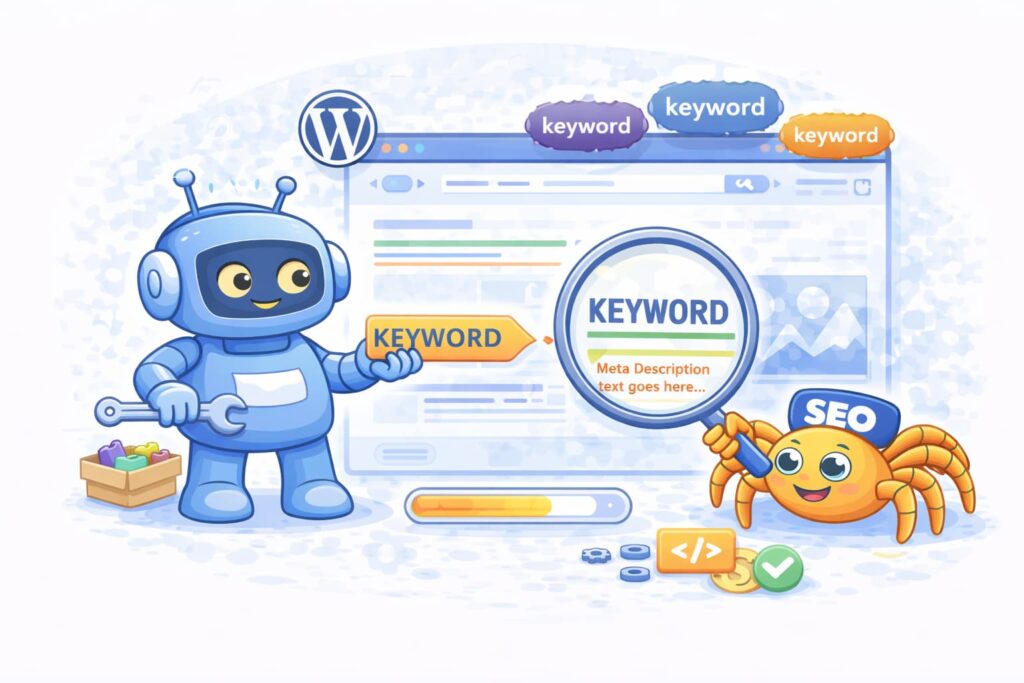
Keywords still play a role in helping search engines understand what a page is about.
If your goal is to improve rankings for a specific keyword, that keyword should appear in a few key places on the page.
These include:
- the page title
- the URL
- headings
- the introduction
- throughout the content
For example, if your keyword is improve web page ranking, it should appear naturally within the article.
The important thing is to avoid forcing keywords into sentences just to increase keyword density. Content that reads naturally tends to perform better and is also much more enjoyable for visitors to read.
Improve Page Speed and Performance

Page speed has become increasingly important for both user experience and search rankings.
If a page takes too long to load, visitors often leave before the page even finishes loading. Search engines take this into account when ranking websites.
Some simple ways to improve website speed include:
- compressing large images
- reducing unnecessary scripts
- using good quality hosting
- enabling caching
Fast websites tend to perform better overall and provide a better experience for visitors.
Optimise Your Page Titles and Meta Descriptions
Page titles and meta descriptions are important because they help both search engines and users understand what your page is about.
Your page title should include your main keyword while still sounding natural. For example, if you want to target the keyword improve web page ranking, your title might look something like this:
How to Improve Web Page Ranking in Search Engines
Meta descriptions don’t directly affect rankings, but they can influence whether people click on your result when it appears in search results.
A clear and engaging meta description can increase click-through rates, which may indirectly help your page perform better.
Build Internal Links Between Your Pages

Internal linking is something many website owners overlook, but it can make a big difference to SEO.
When you link from one page on your website to another, you help search engines discover and understand more of your content.
For example, if you write multiple articles related to SEO, linking between them helps search engines understand that your site contains useful information about that topic.
Internal links also help visitors explore more pages on your website, which keeps them on your site longer.
Fix Technical SEO Issues
Technical SEO problems can sometimes prevent a page from ranking even if the content itself is good.
For example, pages may have issues such as:
- missing page titles
- duplicate meta descriptions
- broken links
- pages that search engines cannot crawl properly
This is something I’ve come across quite often when working on websites.
Because of that, I actually built a tool called CrawlRhino SEO Crawler. It’s a desktop crawler that scans websites and highlights technical SEO issues such as missing metadata, broken links, and other optimisation problems.

Running a crawl on your website can sometimes reveal simple issues that are easy to fix but might be holding your pages back from ranking better.
Earn Backlinks From Other Websites
Backlinks remain one of the strongest ranking signals in search engines.
A backlink is simply a link from another website pointing to your page. When reputable websites link to your content, it signals to search engines that your page is trustworthy and valuable.
Some ways to earn backlinks include:
- writing useful guides that others want to reference
- guest posting on relevant websites
- creating tools or resources
- building relationships within your industry
The key is focusing on quality rather than quantity.
Keep Your Content Updated
Search engines prefer content that stays fresh and relevant.
If you have pages that already rank but haven’t been updated in a long time, improving them can sometimes boost rankings.
Updating content might include:
- adding new information
- expanding sections
- improving formatting
- updating statistics or examples
Small improvements over time can help keep a page competitive in search results.
Improve User Experience

User experience plays a bigger role in SEO than many people realise.
If visitors arrive on your page but quickly leave because the content is difficult to read or poorly structured, search engines may interpret that as a sign that the page isn’t very helpful.
Some ways to improve user experience include:
- using clear headings
- breaking up long paragraphs
- adding helpful images or examples
- making the page easy to navigate
When visitors find your content helpful and easy to read, they are more likely to stay on the page longer.
Be Patient and Consistent
One of the biggest mistakes people make when trying to improve web page ranking is expecting instant results.
SEO usually takes time. Even well-optimised pages can take weeks or months before rankings start improving.
The most important thing is staying consistent. Continue creating useful content, improving your website, and fixing issues as they appear.
Over time these improvements start to build on each other.
Final Thoughts
Improving web page ranking in search engines is rarely about one single tactic. It usually involves a combination of good content, technical optimisation, and consistent improvement.
By focusing on helpful content, using keywords naturally, improving website performance, and fixing technical SEO issues, most websites can gradually improve their rankings.
As your website grows, regularly analysing it and identifying SEO problems becomes more important. Tools that crawl your website and highlight issues can make this process much easier.
With the right approach and a bit of patience, improving web page rankings becomes much more achievable.