
Web design Salisbury quality has a direct impact on website speed, search engine visibility, reliability, and long-term effectiveness. From analysing business websites across the UK, including many across Wiltshire and Salisbury, One of the most consistent patterns is that websites built using cheap builders or generic templates frequently contain serious technical inefficiencies that directly limit performance, stability, and search visibility.
While these websites may appear functional on the surface, underlying structural problems often affect loading speed, stability, and search engine crawl efficiency. These technical weaknesses directly impact how well a website performs in search results and how effectively it generates enquiries.
Understanding the technical differences between properly developed websites and cheap website builders helps explain why many business websites struggle to perform, even when their content and services are strong.
Why Web Design Salisbury Quality Directly Affects Website Performance

Cheap website builders prioritise ease of use over technical efficiency. While this makes them accessible, it often results in inefficient code output, excessive resource loading, and unnecessary dependencies.
Technical analysis of websites built using generic builders frequently reveals:
• excessive JavaScript execution time
• unnecessarily large CSS bundle sizes
• deeply nested and inefficient DOM structure
• render-blocking scripts delaying page rendering
• excessive third-party dependency loading
These factors increase:
• page load time
• CPU usage
• browser rendering delays
• mobile performance degradation
This creates slower, less efficient websites.
In contrast, properly implemented website design focuses on efficient code structure, minimal dependencies, and optimised resource loading, which significantly improves performance and long-term stability.
How Cheap Website Builders Negatively Affect SEO and Crawl Efficiency

Search engines must crawl, render, and analyse websites efficiently. When a website contains inefficient code, excessive scripts, or poor structure, search engines require more resources to process it.
Technical crawling analysis frequently shows:
• unnecessary JavaScript loading on every page
• inefficient internal linking structure
• delayed content rendering due to script execution
• excessive HTML size and node depth
This reduces crawl efficiency and can limit search engine visibility.
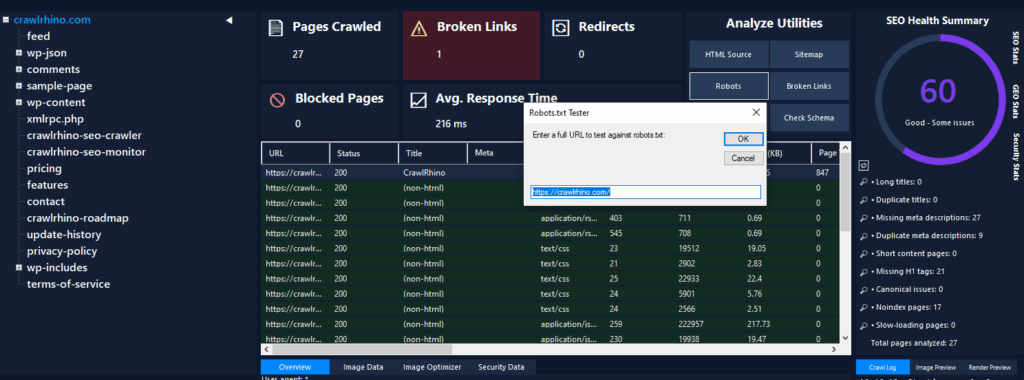
Using tools such as CrawlRhino SEO Crawler makes it possible to analyse websites from a search engine perspective. Inefficient websites often require significantly more processing time, which can negatively affect indexing efficiency and ranking potential.
Search engines favour websites that are fast, efficient, and technically clean.
JavaScript Execution Time Is One of the Most Overlooked Performance Bottlenecks

Modern website builders rely heavily on JavaScript frameworks to control layout, animations, and functionality. While these frameworks provide convenience, they often introduce significant performance overhead.
Technical testing frequently reveals:
• large JavaScript bundles loading unnecessarily
• scripts executing globally instead of conditionally
• inefficient script loading order
• unused JavaScript increasing processing time
This increases key performance metrics such as:
• Total Blocking Time (TBT)
• Time to Interactive (TTI)
• First Contentful Paint (FCP)
These factors directly affect both user experience and SEO performance.
Properly developed websites minimise JavaScript usage and load only essential resources.
Hidden Technical Failures Are More Common Than Most Business Owners Realise

Many technical problems affecting websites are not immediately visible to the business owner.
Common examples include:
• enquiry forms silently failing due to JavaScript conflicts, preventing form submissions and stopping businesses from receiving enquiries
• broken internal links reducing crawl efficiency
• plugins loading unnecessary external scripts
• inefficient image loading increasing page size
These problems can persist for long periods without being detected.
This is one of the most common reasons business websites fail to generate expected results despite appearing functional.
Hosting Alone Cannot Fix Inefficient Website Implementation

Many businesses assume hosting is responsible for poor performance. While hosting quality is important, inefficient website implementation is often the primary cause of slow performance.
Even on high-performance servers, inefficient websites still suffer from:
• excessive script execution
• inefficient rendering
• large page size
• delayed content loading
Performance improvements require proper technical implementation, not just hosting upgrades.
Real-World Differences Between Cheap Builders and Proper Website Development
Technical testing consistently shows significant performance differences.
Properly implemented websites typically achieve:
• faster loading speeds
• reduced CPU usage
• improved PageSpeed performance scores
• more efficient crawl processing
This improves both user experience and search engine visibility.
Websites developed using performance-focused methods, such as those built by Timeless Web Builders, prioritise clean code structure, efficient resource loading, and long-term technical stability. This ensures websites remain fast, reliable, and effective over time.
Why Proper Web Design Salisbury Provides Long-Term Technical Advantages

The quality of technical implementation has long-term consequences beyond initial website speed. Websites built using efficient architecture remain stable, scalable, and easier to maintain as the business grows.
Properly developed websites also provide more predictable performance. Pages load consistently across different devices, browsers, and network conditions, reducing the risk of intermittent failures that can otherwise go unnoticed.
Core functionality such as enquiry forms, navigation, and internal linking structures remains reliable when websites are built correctly. In contrast, inefficient builders often introduce unnecessary dependencies that increase the risk of conflicts and failures over time.
Another important advantage is reduced technical debt. Inefficient websites accumulate unnecessary scripts and resources, making them harder to optimise and maintain. Clean, performance-focused implementation avoids these problems and ensures long-term efficiency.
From a search engine perspective, technically efficient websites are easier to crawl, render, and index correctly. This improves crawl efficiency, strengthens search visibility, and provides a more reliable foundation for long-term performance.
Technical Analysis Tools Reveal Problems Most Business Owners Never See
Using technical crawling tools such as CrawlRhino SEO Crawler allows developers to identify problems invisible to most users.
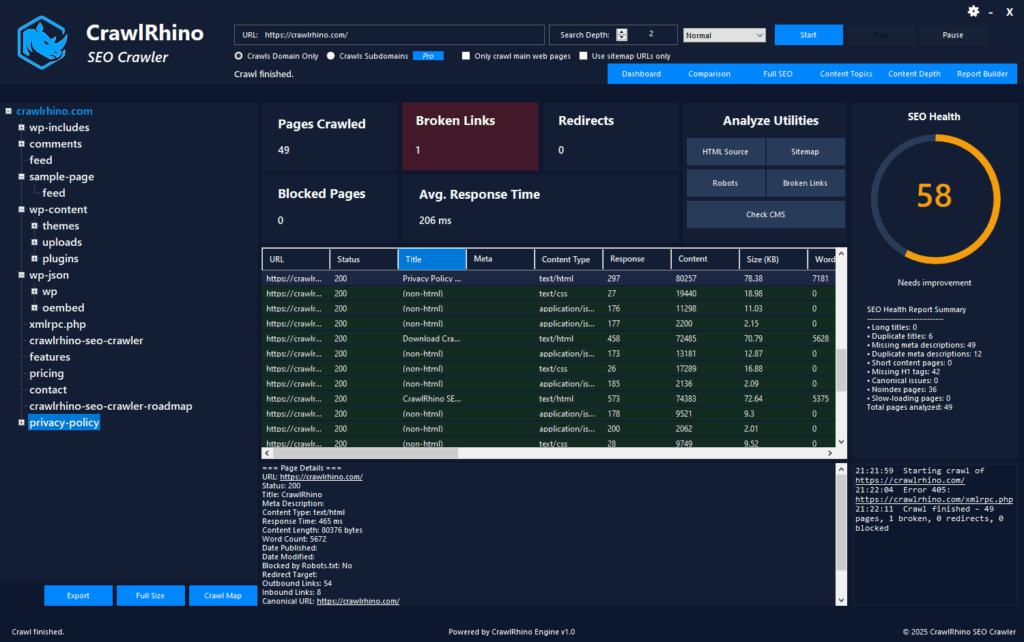
This includes:
• inefficient resource loading
• crawl inefficiencies
• structural technical issues
• internal linking weaknesses
These issues often directly affect search performance.
Proper technical analysis is essential for diagnosing and resolving performance problems.
Final Thoughts
The difference between professional web design salisbury services and cheap website builders is primarily technical. While cheap builders may appear convenient initially, they frequently introduce structural inefficiencies that negatively affect performance, reliability, and search visibility.
Technical implementation determines how efficiently a website loads, how reliably it functions, and how easily search engines can crawl and analyse it. Inefficient websites often suffer from excessive JavaScript execution, inefficient structure, and unnecessary dependencies that significantly reduce performance.
Websites built using performance-focused development principles provide faster load times, improved stability, and stronger search engine performance. Clean code structure, efficient resource loading, and proper implementation ensure long-term reliability.
Businesses looking for reliable, performance-focused website design in Salisbury benefit significantly from working with developers who prioritise technical efficiency, proper implementation, and long-term performance.