
Cheap Websites Often Hide Technical Debt
Cheap websites often appear fine on the surface. They load, display content, and may even look modern visually. However, the underlying technical structure is frequently inefficient, fragile, or poorly implemented.
This creates what is essentially technical debt. The website may function initially, but underlying issues gradually affect performance, stability, and search visibility.
In many cases, the cost of fixing these problems later exceeds what it would have cost to build the website properly in the first place.
From analysing many business websites, I’ve seen cases where owners assumed everything was working normally, but underlying technical issues were silently affecting performance, search visibility, and enquiry generation.
In some situations, the website was also dependent on third-party services, plugins, or builder licences originally set up by the developer. Once trials expired or subscriptions weren’t maintained, parts of the website stopped functioning correctly, or the business was left with unexpected ongoing costs.

Excessive DOM Size and Rendering Inefficiency
One of the most common problems with cheaply built websites is excessive DOM size caused by page builders and inefficient layout structures.
Instead of clean, logical HTML structure, page builders often generate deeply nested elements with multiple unnecessary containers.
For example, a simple section might be rendered as:
<div>
  <div>
    <div>
      <section>
        <div>
          <div>
            Content
          </div>
        </div>
      </section>
    </div>
  </div>
</div>
This significantly increases rendering complexity.
Browsers must process and render these unnecessary layers, which increases CPU usage and slows down page rendering.
This can result in slower Largest Contentful Paint (LCP) and Interaction to Next Paint (INP), which directly affects performance and search rankings.
JavaScript Execution Blocking Page Interactivity

Another major issue is excessive JavaScript execution.
Many cheap websites load large amounts of JavaScript before the page becomes interactive. This blocks the main browser thread and delays interactivity.
Common causes include:
- page builder runtime scripts
- multiple plugin scripts loading globally
- unnecessary animation libraries
- poorly optimised third-party integrations
Even when scripts are not actively used on a page, they are often still loaded.
This increases Total Blocking Time (TBT) and negatively affects user experience.
Users may attempt to click buttons or navigate the site while scripts are still executing, which creates an unresponsive or broken experience.
Improper Resource Loading and Network Inefficiency

Cheap websites frequently load excessive external resources that increase network latency.
Examples include:
- multiple font files from external providers
- unnecessary CSS files loaded on every page
- large unoptimised background images
- third-party scripts that delay rendering
Each additional request increases load time and reduces performance.
This is particularly noticeable on slower connections or mobile devices.
Properly built websites minimise resource loading and ensure only necessary assets are loaded.
Plugin Conflicts and Long-Term Stability Issues

Cheap websites often rely heavily on plugins to provide functionality that should be implemented structurally.
This creates long-term reliability risks.
Plugin conflicts can cause:
- broken forms
- JavaScript errors
- layout instability
- failed functionality after updates
In some cases, plugin updates introduce compatibility issues that break key features without obvious warnings.
Business owners may not realise forms have stopped working or emails are no longer being delivered.
These problems can silently prevent enquiries from being received.
Inefficient Crawlability and SEO Structure
Search engines rely on efficient technical structure to crawl and evaluate websites.
Poorly built websites often create crawl inefficiencies such as:
- duplicate URLs
- inconsistent internal linking
- excessive redirect chains
- unnecessary crawl depth
These issues reduce crawl efficiency and can limit how effectively search engines index the website.
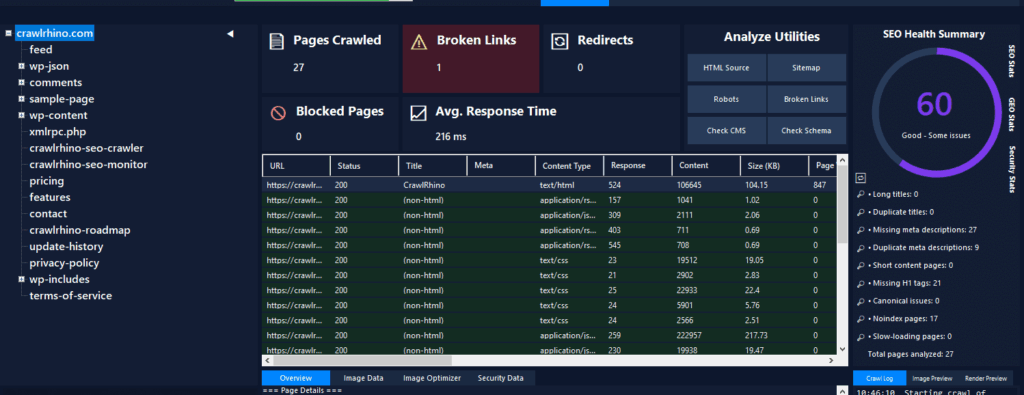
Using technical analysis tools such as CrawlRhino SEO Crawler makes it easier to identify crawl inefficiencies, redirect chains, and structural problems that affect search visibility.
Without proper analysis, these problems often go unnoticed.
Poor Core Web Vitals Performance
Cheap websites frequently perform poorly in Core Web Vitals metrics, including:
- Largest Contentful Paint (LCP)
- Cumulative Layout Shift (CLS)
- Interaction to Next Paint (INP)
Layout instability caused by delayed resource loading can cause elements to shift unexpectedly during loading.
This creates a poor user experience and reduces trust.
Core Web Vitals are a confirmed ranking factor, and poor scores can negatively affect search visibility.
Server-Side Inefficiencies and Hosting Misconfiguration

Cheap websites are often hosted on overcrowded shared hosting environments.
This introduces server-level bottlenecks such as:
- slow Time to First Byte (TTFB)
- inconsistent server response times
- poor caching configuration
Even a well-designed website can perform poorly if the server environment is inefficient.
Proper server configuration and caching are essential for consistent performance.
Long-Term Maintainability Problems
Cheap websites often lack maintainability.
Over time, they become increasingly difficult to update or optimise.
Changes may introduce unexpected problems due to fragile structure or plugin dependencies.
This makes long-term improvements difficult and costly.
Properly built websites use clean structure and efficient implementation, making them easier to maintain and optimise over time.
For businesses looking for website design in Salisbury or elsewhere in the UK, working with experienced developers who understand technical performance can significantly improve long-term reliability.
Websites built with performance and structural efficiency in mind, such as those developed by Timeless Web Builders, avoid many of the technical problems commonly found in cheaply built websites.
Personal Experience Analysing Cheap Business Websites
From analysing many business websites, one consistent pattern is clear — websites built cheaply often accumulate technical problems that gradually affect performance, stability, and search visibility.
These problems are rarely obvious to business owners because the website still appears functional.
However, underlying inefficiencies reduce effectiveness and limit the website’s ability to attract customers.
In my opinion, proper technical implementation is one of the most important aspects of website design, yet it is also one of the most overlooked.
Final Thoughts
Cheap websites often cost more in the long run due to performance problems, technical inefficiencies, and long-term reliability issues. While they may appear functional initially, underlying structural weaknesses can significantly reduce performance, search visibility, and overall effectiveness.
Many of these problems are not immediately obvious. Websites may load slowly, execute unnecessary scripts, or rely on inefficient architecture that affects both user experience and crawl efficiency. Over time, this can reduce trust, limit search engine visibility, and ultimately affect how many enquiries the website generates.
Properly built websites avoid these issues by using clean technical structure, efficient resource loading, and stable implementation. This results in faster load times, better user experience, and improved long-term maintainability.
For businesses relying on their website to attract customers, technical quality plays a critical role in overall performance. Websites built using proper design and development principles provide a stronger foundation for search visibility, reliability, and long-term growth.
Investing in proper performance-focused website design ensures the website remains fast, stable, and effective, without accumulating hidden technical debt that may require costly fixes later.