
Why many Wiltshire business websites suffer from hidden technical problems
Many business websites appear modern and functional on the surface but suffer from underlying technical problems that significantly affect performance, search visibility, and long-term reliability.
From analysing business websites across the UK, including many across Wiltshire, one of the most consistent patterns is inefficient technical implementation. These issues often remain undetected because they do not always cause obvious visual problems, but they directly impact how efficiently the website loads, operates, and performs in search engines.
A website may appear fast when revisited locally due to browser caching, but first-time visitors often experience much slower loading times and degraded performance.
This is one of the most common technical weaknesses affecting business websites.
The hidden impact of inefficient JavaScript execution

One of the most frequent problems is excessive or inefficient JavaScript loading. Many websites load unnecessary scripts globally, even when those scripts are only required on specific pages.
This often includes:
- page builder runtime frameworks loading across the entire site
- analytics scripts executing inefficiently
- unnecessary animation libraries
- unused plugin JavaScript
This increases:
- initial page load time
- CPU execution time
- browser rendering delays
On slower devices or mobile networks, this can significantly affect usability.
From a technical perspective, JavaScript execution time is often one of the biggest bottlenecks in website performance.
Common structural problems caused by page builders and generic themes

Many business websites rely heavily on prebuilt themes and visual builders. While these tools simplify development, they frequently generate inefficient output.
Common structural inefficiencies include:
- deeply nested DOM structure
- excessive wrapper elements
- inefficient CSS selectors
- duplicated stylesheets
This increases rendering time and reduces efficiency.
In technical audits, it is not uncommon to find websites loading several megabytes of unnecessary resources.
This directly impacts performance, especially on mobile devices.
Real-world issues business owners often don’t realise exist

From auditing and crawling business websites, some of the most damaging technical issues are not immediately visible on the surface.
These include:
- enquiry forms silently failing due to JavaScript errors or plugin conflicts, preventing form submissions from being processed and causing businesses to stop receiving enquiries without any obvious warning
- plugin updates breaking functionality without visible errors
- background scripts generating excessive server load
- automatic plugin features loading external resources inefficiently
In some cases, third-party integrations continue running even after they are no longer used.
This creates unnecessary overhead and reduces performance.
These issues can persist for months or years without being detected.
How poor technical implementation affects search engine visibility
Search engines rely on efficient crawling and rendering to properly analyse websites.
Websites with inefficient implementation may experience:
- slower crawl rates
- reduced indexing efficiency
- inefficient rendering
- reduced technical quality signals
This limits the website’s ability to perform well in search results.
Efficient websites are easier for search engines to process and evaluate.
Technical efficiency plays a critical role in overall SEO performance.
Why performance-focused website design makes a significant difference

Websites built using efficient technical principles avoid many of these common problems.
Properly implemented websites typically use:
- clean, efficient HTML structure
- minimal JavaScript usage
- efficient resource loading
- lightweight CSS implementation
- properly configured hosting environment
This results in faster load times, improved stability, and better long-term performance.
For businesses looking for reliable, performance-focused website design in Wiltshire, working with developers who prioritise technical efficiency and proper implementation can significantly improve website performance and reliability.
Technical analysis reveals problems most business owners never see
Many of these technical issues are only visible when using proper crawling and diagnostic tools.
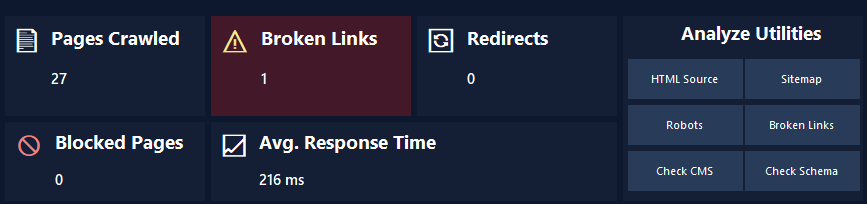
Using tools such as the CrawlRhino SEO Crawler makes it possible to identify:
- inefficient resource loading
- excessive script execution
- crawl inefficiencies
- technical structure problems
These issues are often invisible to website owners but have a measurable impact on performance.
This is one of the reasons technical analysis is essential for diagnosing website performance problems.
Long-term consequences of inefficient website implementation
Websites built using inefficient technical architecture often experience increasing performance problems over time.
This can result in:
- slower loading speeds
- reduced stability
- increased maintenance requirements
- reduced effectiveness
Technical debt accumulates when websites are not built properly from the start.
Over time, this makes optimisation more difficult and costly.
Proper implementation avoids these long-term problems.
Final thoughts

Technical implementation quality plays a critical role in how reliably, efficiently, and effectively a website performs over time. While many websites may appear functional on the surface, underlying structural and technical decisions directly influence loading speed, stability, search engine visibility, and overall reliability.
Websites built using efficient, performance-focused principles benefit from faster load times, reduced resource usage, and fewer long-term maintenance issues. Clean code structure, properly configured hosting environments, and avoidance of unnecessary scripts or dependencies all contribute to a more stable and predictable website.
One of the most important things to understand is that many performance and reliability problems do not originate from hosting itself, but from how the website was built. Excessive JavaScript, poorly optimised themes, bloated plugins, and inefficient page builders can significantly increase resource usage and introduce instability. These issues often accumulate over time, gradually reducing performance and reliability.
Technical problems can also affect critical functionality, such as enquiry forms, tracking systems, and integrations, without obvious visible warnings. This can directly impact business operations, search rankings, and user trust without the website owner being immediately aware of the problem.
Websites built with proper technical structure and performance optimisation provide a far stronger foundation for long-term success. They remain stable under load, perform efficiently across devices, and are easier to maintain, analyse, and improve over time.
From a search engine perspective, technically efficient websites are easier to crawl, render, and index correctly. This improves search visibility and allows the website to compete more effectively in search results.
Ultimately, the quality of technical implementation determines whether a website remains reliable and effective long-term, or gradually becomes slower, less stable, and more difficult to maintain. Ensuring the website is built using clean, efficient, and performance-focused methods provides lasting benefits for performance, reliability, and overall effectiveness.